
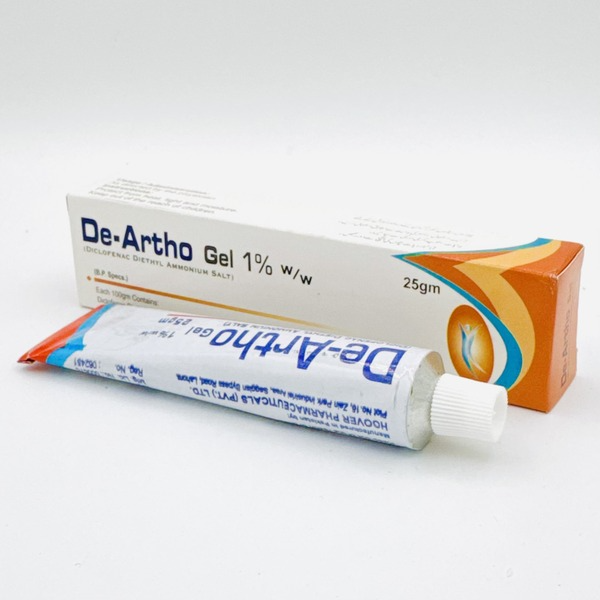
De- Artho Capsule 50mg/100mg 20’s: De-Artho capsule contains Diclofenac sodium which is a powerful nonsteroidal anti-inflammatory drug NSAID used to reduce pain, inflammation, swelling, and fever for conditions like arthritis, injuries, menstrual cramps, and migraines.
Key Benefits
- Pain Relief: Diclofenac sodium is highly effective in alleviating mild to moderate pain, including post-surgical pain, dental pain, and musculoskeletal injuries, providing rapid relief within 30 minutes to an hour of administration.
- Anti-Inflammatory Action: By inhibiting cyclooxygenase COX enzymes, diclofenac reduces prostaglandin production, which decreases inflammation, swelling, and stiffness, particularly in conditions like osteoarthritis, rheumatoid arthritis, and ankylosing spondylitis.
- Migraine Management: Diclofenac sodium can reduce the severity and duration of migraine attacks, offering relief for up to 60% of sufferers when taken at the onset of a headache.
- Versatility in Administration: Available in oral tablets, topical gels, and injections, diclofenac allows patients to choose the most suitable form for their condition, enhancing comfort and adherence to treatment.
- Improved Joint Mobility: For arthritis patients, diclofenac not only reduces pain but also alleviates stiffness and swelling, improving joint function and overall quality of life.
- Cost-Effectiveness: Compared to other NSAIDs, diclofenac sodium is generally more affordable, making it accessible for long-term management of chronic conditions.
- Fever Reduction: As an NSAID, diclofenac also helps lower fever associated with inflammatory conditions or infections.
About This Product
Diclofenac sodium is a widely used and effective medication for managing pain, inflammation, and stiffness across a variety of conditions, including arthritis, acute injuries, menstrual cramps, and migraines. Its rapid onset, multiple administration forms, and affordability make it a preferred choice for both short-term and chronic pain management.
Diclofenac is a nonsteroidal anti-inflammatory drug NSAID that reduces pain and inflammation by inhibiting cyclooxygenase COX enzymes, which produce prostaglandins responsible for pain, swelling, and fever.This mechanism makes it effective for conditions like acute low back pain, muscle strains, arthritis, and post-surgical discomfort.
Diclofenac Sodium:
Diclofenac sodium is a nonsteroidal anti-inflammatory drug NSAID used to relieve pain, inflammation, and swelling in various conditions.
Pain Relief: Diclofenac sodium is effective for mild to moderate pain, including headaches, migraines, dental pain, muscle pain, and post-surgical pain. Arthritis Management: It is commonly prescribed for osteoarthritis and rheumatoid arthritis, helping reduce joint pain, stiffness, swelling, and inflammation headaches, migraines, dental pain, muscle pain, and post-surgical pain.
Spinal Conditions: Diclofenac is used to treat ankylosing spondylitis, a condition causing pain and stiffness in the spine.
Menstrual Pain: Certain formulations, like Cataflam, are used to relieve painful menstrual cramps.
Migraine Attacks: Diclofenac powder Cambia is specifically indicated for acute migraine attacks, providing relief once a headache has started.
Post-Surgical and Musculoskeletal Pain: It helps manage acute musculoskeletal pain and pain following surgery, reducing inflammation and discomfort.
Ingredients
- Diclofenac Sodium…….100mg/50mg
Dosage & Administration
- As directed by a physician.
Side Effects
Diclofenac sodium can cause mild side effects like stomach upset and headaches, but serious risks include gastrointestinal bleeding, kidney damage, heart problems, and severe allergic reactions. ## Common and Mild Side Effects Diclofenac may cause side effects that are usually temporary and manageable, including: – Stomach-related issues: nausea, heartburn, indigestion, stomach pain, constipation, or vomiting. – Headache and dizziness – Sleepiness or fatigue – Swelling in hands, feet, or lower legs Diclofenac carries a risk of severe adverse effects, some of which can be life-threatening: – Gastrointestinal GI complications: bleeding, ulceration, or perforation of the stomach or intestines, which may occur without warning. – Cardiovascular risks: increased chance of heart attack, stroke, or other thrombotic events, especially with long-term use or in patients with pre-existing heart conditions. – Kidney problems: decreased urine output, swelling, increased blood pressure, or electrolyte imbalances such as hyperkalemia. – Liver issues: yellowing of the skin or eyes, nausea, or unusual fatigue.
Warnings & Precautions
- Diclofenac sodium requires careful use due to risks of cardiovascular events, gastrointestinal bleeding, liver damage, and interactions with other medications.
- Cardiovascular Precautions.
- Diclofenac can increase the risk of heart attack or stroke, especially with long-term use, high doses, or in patients with pre-existing heart disease. It should not be used just before or after coronary artery bypass graft CABG surgery. Patients with hypertension or heart failure should be closely monitored while taking diclofenac, as it may worsen these conditions
- Gastrointestinal Precautions
- attentionNSAIDs like diclofenac can cause serious gastrointestinal GI events, including bleeding, ulceration, and perforation of the stomach or intestines, which can be fatal. These events may occur without warning, particularly in older adults or those with a history of peptic ulcer disease or GI bleeding. Signs of GI bleeding include bloody or tarry stools, vomiting blood, or coffee-ground vomit, and require immediate medical attention.
- Liver and Kidney Considerations
- Diclofenac may cause liver damage hepatotoxicity and can affect kidney function. Patients should use the lowest effective dose for the shortest duration and avoid concomitant use with other potentially hepatotoxic drugs. Monitoring of liver function tests is recommended during prolonged therapy.
- Allergic Reactions and Skin Precautions
- Do not use diclofenac if you have a known allergy to diclofenac or other NSAIDs, or if you have experienced asthma attacks or severe allergic reactions to aspirin. Seek emergency help for hives, swelling, difficulty breathing, or severe skin reactions such as blistering or peeling.
- Pregnancy and Reproductive Considerations
- Diclofenac can affect ovulation and may reduce fertility. It should be avoided during late pregnancy, particularly after 30 weeks, due to risks of premature closure of the ductus arteriosus in the fetus. Breastfeeding while using diclofenac should be discussed with a doctor.
Storage
- Store in a cool and dry place.Protect from heat,sunlight and moisture.Keep out of the reach of children.
- To be sold on prescription of a registered medical practitioner only.



Reviews
There are no reviews yet.